Josie Langmaid Murdered Original 1875 CDV and Two Stereoviews of Crime Scene
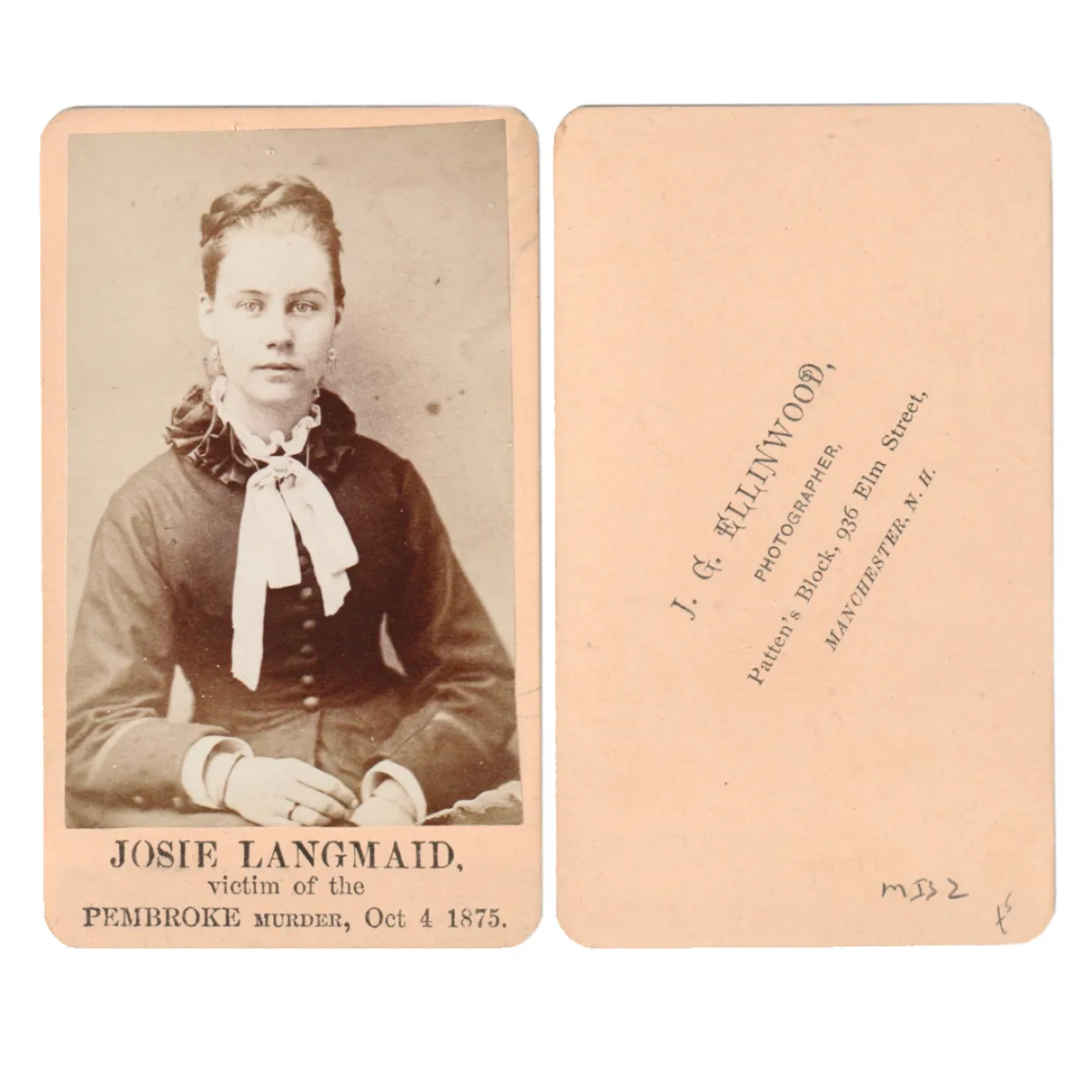
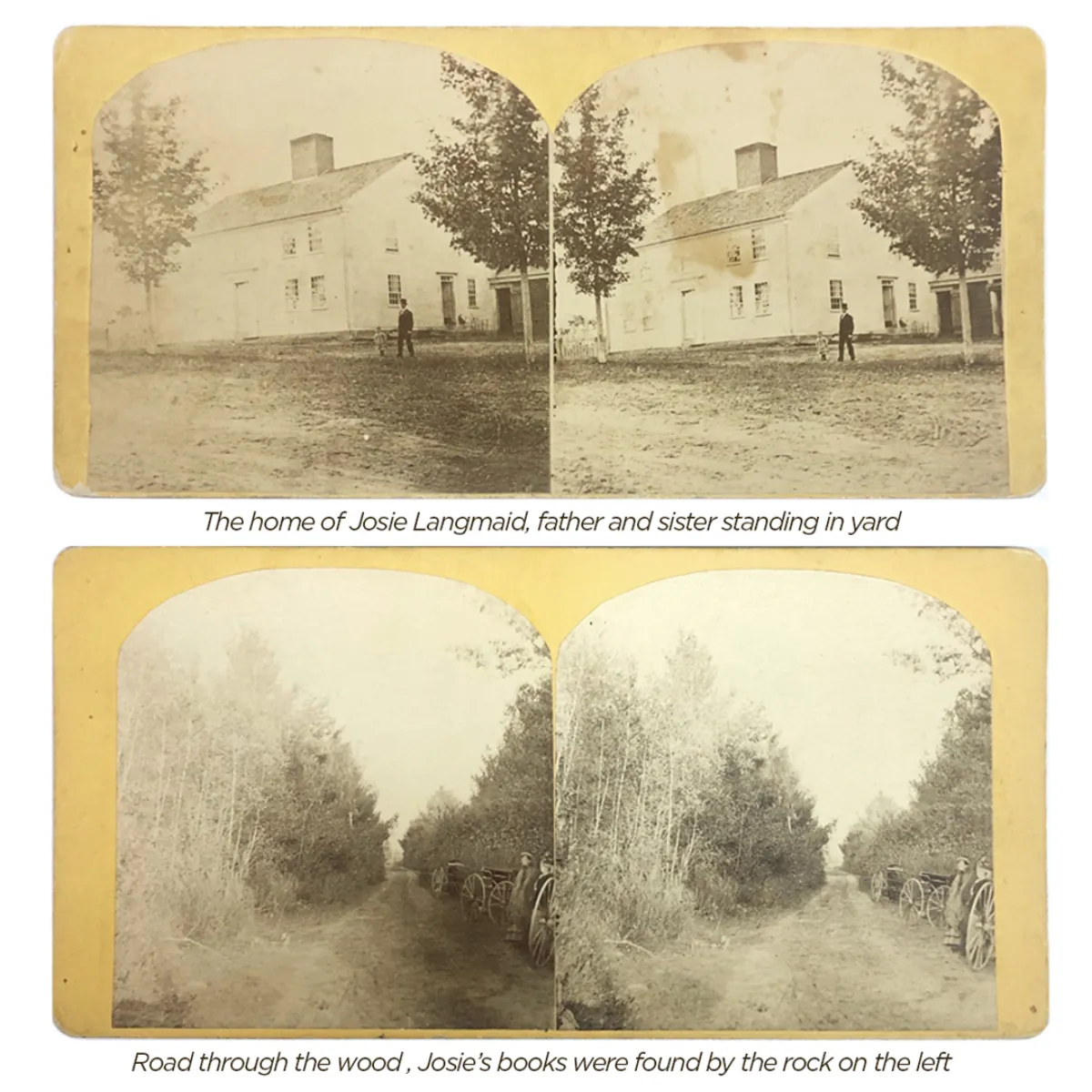
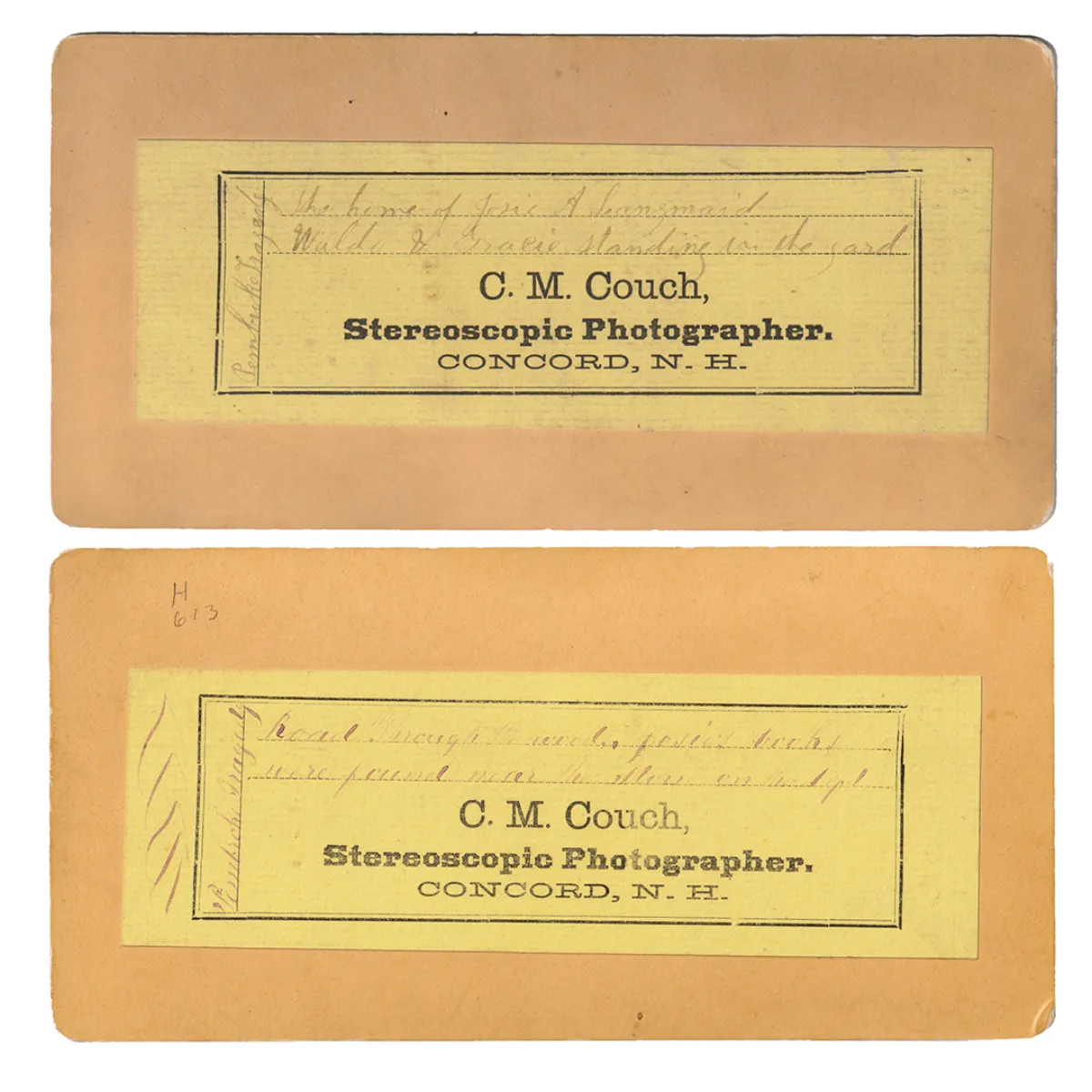
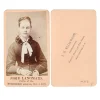
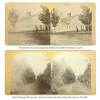
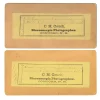
During the Victorian era people often collected all manner of stereoveiews and CDV photos as what are referred to today as ‘album fillers’. These included celebrities, attractions, world travel, actors, authors, novelty and even sensational crimes. This collection includes an original CDV photograph of the victim Josie Langmaid by photographer J.G. Ellinwood, and two stereoviews of the crime scene by photographer C.M. Couch. The stereoviews are titled by the photographer’s own hand in period ink on the back. Original stereoview photos include: top – ‘The home of Josie Langmaid, father and sister standing in yard’; bottom – ‘Road through the wood , Josie’s books were found by the rock on the left.’
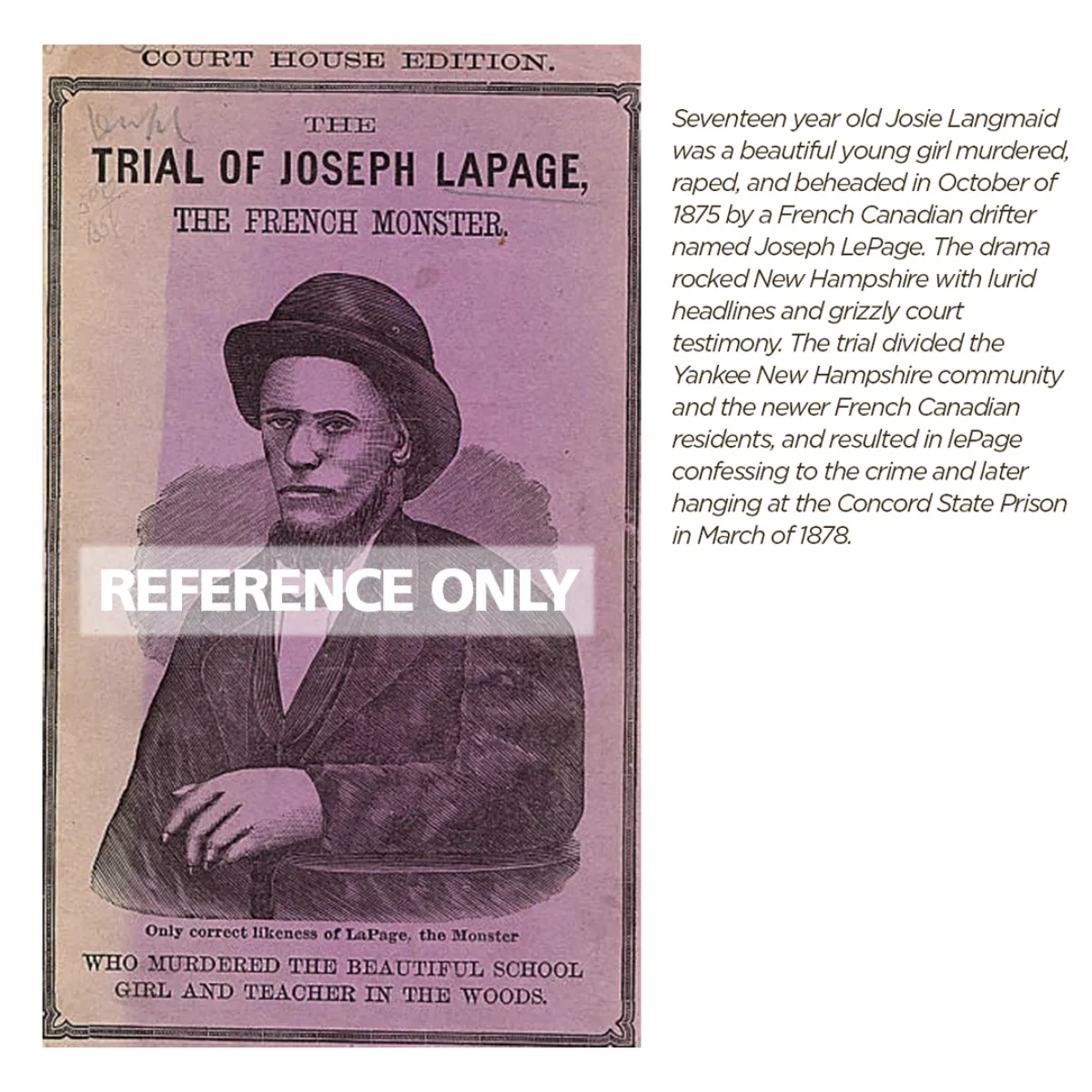
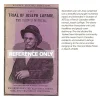
On Oct 4, 1875 17-year-old Josie Langmaid’s mutilated body was found in the woods near her school. The next day her head was found one half mile away. A French Canadian drifter named Joseph LePage was charged and convicted of the crime and paid the ultimate price upon the gallows in March of 1878. Josie was a beautiful young girl whose murder rocked New Hampshire with lurid headlines and grizzly court testimony. The trial divided the Yankee New Hampshire community and the newer French Canadian residents, and resulted in lePage being hanged at the Concord State Prison in March of 1878. Not only did it inspire hot headlines but also a ballad “Suncook Town Tragedy” and a monument at the place where the murder happened, on Academy Road in Pembroke.
Suncook Town Tragedy Ballad
Come all young people, now draw near;
Attend awhile and you shall hear,
How a young person of renown
Was murdered in fair Suncook Town.
It was in the morning very cool
When Josie started for school,
And many the time that road she passed
But little thought she it would be her last
It was at the foot of Pembroke Street
LaPage lay ambushed with a stick
Long time ago his plans were laid
To take the life of the fair maid
The mother watched with eager air
Hoping the daughter would appear
But when the shades of night drew near
her darling child did not appear
The weeping father and the son
All thro’ the woods their search begun
And found at last to their surprise
The murdered child before their eyes
Her head was from her body tore
her clothes were all a crimson gore
And on her body marks did show
Some skillful hand had dealt the blow
This monster now so deep in crime
He thought the people’s eyes to blind
But found at last to his mistake
They had him fast behind the grate
It was at Cancord he was tried
Unto the last crime he denied
But he was found to guilty be
And the judge said “Death is your plea”
And now, LaPage, your work is done
And you like Eveuse must be hung
For we must all examples make
till crime shall cease in the Granite State.
CDV is an acronym for Carte de visite, which is french for ‘card of my visit’. The term referenced the popularity and nature of the new almost magical art of photography which allowed people to share not only personal and family photographs but also ‘celebrity’, travel, exotic and local attractions and points of interest.
Stereoviews were first described in 1832 by English physicist Sir Charles Wheatstone, the process was improved by Sir David Brewster in 1849, and was popular in the United States and Europe from about the mid-1850s through the early part of the 20th century. Stereoviews consist of two images created with a stereo camera, a type of camera with two or more lenses. This allows the camera to simulate human binocular vision, and therefore gives it the ability to capture three-dimensional images, a process known as stereo photography. The images are side by side, either on glass or paper pasted onto a sturdy card, stereoviews were meant to be observed through a special viewer, called a stereoscope, that created the effect of a three dimensional image.